


Dust Mites
and Eczema!
What you need to know
(And know how to fight back)

For anyone living with eczema, identifying and avoiding triggers is a vital part of daily life. One of the most common (and invisible) culprits? Dust mites. These microscopic pests can wreak havoc on sensitive skin, especially for people prone to eczema.
In this guide, we will break down exactly what dust mites are, how they affect eczema, and most importantly how to reduce exposure and manage flair-ups


What are Dust mites?
Dust mites are tiny, spider-like creatures that thrive in warm, humid environments. They feed on dead skin cells and love to hide in:
Bedding and pillows
Carpets and rugs
Upholstered furniture
curtains
Soft toys
Although they’re harmless to most people, dust mites can be a serious issue for those with allergies or skin conditions like eczema.

How do dust mites affect eczema
Dust mites don’t bite or sting—but their droppings, body parts, and saliva are powerful allergens. When these microscopic particles come into contact with your skin or are inhaled, they can trigger your immune system and:...
Irritate the skin barrier
Cause itchy, inflamed eczema flare-ups
Increase sensitivity in already reactive skin
Trigger asthma or allergic hay fever, which often co-exist with eczema (known as the atopic triad)
Studies show that people with atopic dermatitis often have heightened immune responses to dust mites. In fact, over 80% of eczema sufferers test positive for dust mite allergy.

Where Dust Mites Hide (And How to Reduce Them Naturally)
Dust mites are one of the most common triggers for eczema and allergies—and although you can’t see them, you can reduce their presence at home. Bedrooms are the biggest hotspot, as we spend nearly a third of our lives in bed. Here’s how to cut down dust mites and improve your indoor air quality.
1. Use Dust-Mite-Proof Bedding
Dust mites thrive inside mattresses and pillows. Using dust-mite-proof mattress protectors, pillow covers, and duvet encasements creates a physical barrier that stops mites from living in your bedding. This is one of the most effective ways to reduce dust mite exposure while you sleep.
2. Wash Bedding at 60°C
To kill dust mites, bedding must be washed at 60°C or higher. Lower temperatures won’t remove mites or their allergenic waste. Wash sheets, pillowcases, and blankets weekly for the best results.
3. Reduce Fabric Clutter
Dust mites love warm, soft surfaces. Keep your bedroom free from unnecessary fabrics like extra cushions, throws, stuffed toys, and thick curtains. Fewer soft surfaces = fewer places for dust mites to hide and multiply.
4. Vacuum Using a HEPA Filter
A vacuum cleaner with a HEPA filter traps tiny dust mite particles, dead skin, and other allergens. Regular vacuuming—especially on carpets, rugs, and upholstery—helps control dust mites and keeps the home cleaner and safer for sensitive skin.
5. Keep Humidity Below 50%
Dust mites need moisture to survive. Using a dehumidifier, opening windows, or improving ventilation keeps humidity under 50%, making your home far less inviting for mites.
6. Use a True HEPA Air Purifier
A True HEPA air purifier helps remove dust mite allergens from the air, including dead skin flakes and microscopic particles that trigger eczema and allergies. Using an air purifier in the bedroom can significantly improve air quality and reduce irritation.

Recommended Products
Carefully chosen products that can help reduce dust mites, soothe eczema and create a healthier home

Bedding
Create a cleaner, mite free enviroment


Why these?
These Bedding essentials create a barrier against dust mites and allergens while keeping you comfortable all night.
Better sleep
happier skin!

Washing & Laundry
Gentle cleaning for clothes and fabrics that are kind to sensitive skin


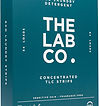
Why these?
Free from harsh chemicals and fragrances that can irritate eczema prone skin
Gentle cleaning happier skin!

Vacuums and cleaners
vacuum cleaners that help eliminate dust mites


Why these?
Reduces dust mites, Dust, allergens and keep surfaces cleaner for healthier skin
Cleaner home
calmer skin

Air purifiers
Create cleaner air by reducing dust, allergens and airborne irritants.
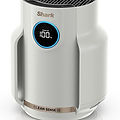


Why these?
Help reduce dust, allergens and airborne irritants that can trigger sensitive, eczema-prone skin.
Cleaner air, calmer skin
Final Thoughts
Managing eczema means tackling both the symptoms and the triggers. Dust mites are a common, hidden cause of flare-ups, but with the right steps — like using protective bedding, washing regularly, and reducing allergens — you can create a healthier, more eczema-friendly home.